Somnath Hore

Painter Sculptor | India

Born in 1921

Died in 2006

« "What I draw is the unfolding of my being—which in my case is inscribed as 'wounds'.". »

<p>Somnath Hore was a towering figure in modern Indian art, renowned as a printmaker, sculptor, and chronicler of human suffering. Born in Chittagong (now in Bangladesh), his artistic vision was fundamentally shaped by the cataclysmic events of 20th-century Bengal, most notably the man-made Bengal Famine of 1943 and the Tebhaga peasant uprising of 1946. These experiences led him to join the Communist Party early on, using his sketches as visual journalism for their publications, focusing on the skeletal bodies of the starving and the dignity of the struggling worker.</p> <p>After training at the Government College of Art and Craft in Calcutta, Hore became a master of printmaking, eventually heading the graphics department at Kala Bhavana, Santiniketan. He pioneered innovative techniques to achieve his deeply felt expressive goals. His seminal achievement is the &#39;Wounds&#39; series (1970s), where he moved away from depicting figurative subjects to creating abstracted, tactile representations of injury. These were often &#39;white-on-white&#39; paper pulp prints, made by pouring pulp onto plaster or clay molds that he had deliberately cut and lacerated&mdash;an act he described as carving the wound itself.</p> <p>In his later years, Hore translated this philosophy into small, intimate bronze sculptures. These works, often stripped down to bone and sinew, with rough surfaces and gaping holes, represented a raw, minimalist articulation of pain, transcending specific political contexts to comment on the universal human condition. Hore&rsquo;s uncompromising focus on the exploited and the dispossessed secured his legacy as one of the most powerful and socially conscious artists of his generation.</p>

Credentials
You would like to invest in this artist?

Contact us via email


Follow this artists

Somnath Hore

ABOUT

"What I draw is the unfolding of my being—which in my case is inscribed as 'wounds'."

Painter | Sculptor | India

Born in 1921

Died in 2006
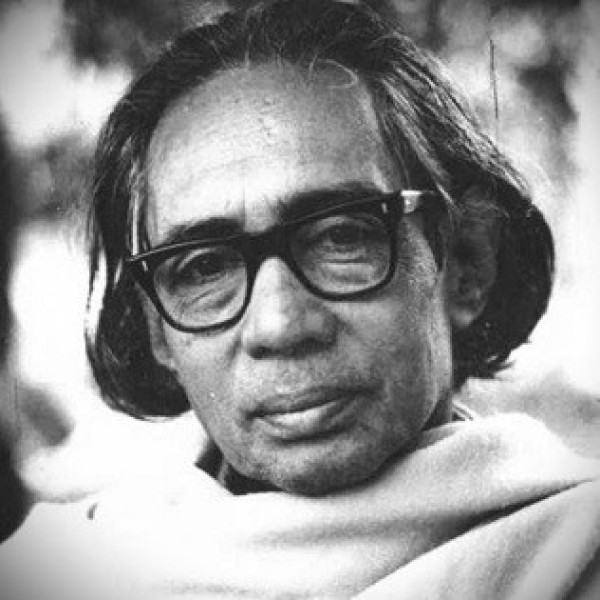
Somnath Hore
You would like to invest in this artist?

Contact us via email

<p>Somnath Hore was a towering figure in modern Indian art, renowned as a printmaker, sculptor, and chronicler of human suffering. Born in Chittagong (now in Bangladesh), his artistic vision was fundamentally shaped by the cataclysmic events of 20th-century Bengal, most notably the man-made Bengal Famine of 1943 and the Tebhaga peasant uprising of 1946. These experiences led him to join the Communist Party early on, using his sketches as visual journalism for their publications, focusing on the skeletal bodies of the starving and the dignity of the struggling worker.</p> <p>After training at the Government College of Art and Craft in Calcutta, Hore became a master of printmaking, eventually heading the graphics department at Kala Bhavana, Santiniketan. He pioneered innovative techniques to achieve his deeply felt expressive goals. His seminal achievement is the &#39;Wounds&#39; series (1970s), where he moved away from depicting figurative subjects to creating abstracted, tactile representations of injury. These were often &#39;white-on-white&#39; paper pulp prints, made by pouring pulp onto plaster or clay molds that he had deliberately cut and lacerated&mdash;an act he described as carving the wound itself.</p> <p>In his later years, Hore translated this philosophy into small, intimate bronze sculptures. These works, often stripped down to bone and sinew, with rough surfaces and gaping holes, represented a raw, minimalist articulation of pain, transcending specific political contexts to comment on the universal human condition. Hore&rsquo;s uncompromising focus on the exploited and the dispossessed secured his legacy as one of the most powerful and socially conscious artists of his generation.</p>

Follow this artist

Credentials

Latest artworks