A H Müller

Painter | India

Born in 1878

Died in 1960

« The Royal Painter: Capturing the grandeur of India's Maharajas and the serenity of her lore.. »

Archibald Herman Müller was a distinguished Indian painter of the early 20th century, renowned for mastering Academic Realism and applying it to subjects rooted deeply in Indian culture and history. Born in Cochin (Kerala) to a German father and an Indian mother, Müller received his artistic training at the Madras School of Art. This dual heritage and education equipped him with a technical finesse—a Greco-Roman understanding of anatomy and form—that he skillfully employed to depict the grand narratives of the Indian subcontinent. 🎨 Archibald Herman Müller: Chronicler of Courts and Epics Archibald Herman Müller (1878–1960) was a distinguished Indian painter of the early 20th century, renowned for mastering Academic Realism and applying it to subjects rooted deeply in Indian culture and history. Born in Cochin (Kerala) to a German father and an Indian mother, Müller received his artistic training at the Madras School of Art. This dual heritage and education equipped him with a technical finesse—a Greco-Roman understanding of anatomy and form—that he skillfully employed to depict the grand narratives of the Indian subcontinent. His painting career flourished in the artistic center of Bombay, where he won the prestigious Gold Medal from the Bombay Art Society in 1911 for Princess Giving a Gift to a Brahmin Boy. Müller became a favored artist among the Indian royalty, traveling extensively through Maharashtra, Rajasthan, and Gujarat under the patronage of various Maharajas (like those of Bikaner and Jodhpur). His repertoire included formal portraits, intricate court scenes, royal hunting expeditions, and evocative landscapes. Müller's most significant contribution lies in his dramatic, large-scale illustrations of the Hindu epics, the Ramayana and the Mahabharata. Works like Shakuntala in Dushyanta's Court and Descent of Ganga followed the tradition popularized by Raja Ravi Varma, blending European oil painting techniques with rich Indian mythological themes. This style resonated with a burgeoning sense of cultural nationalism, providing visually grand representations of ancient lore. His work was critically acclaimed, finding a place in major international collections, including the Victoria and Albert Museum and Buckingham Palace, cementing his legacy as a pivotal figure in the transition of Indian art into the modern era.

Credentials
You would like to invest in this artist?

Contact us via email


Follow this artists

A H Müller

ABOUT

The Royal Painter: Capturing the grandeur of India's Maharajas and the serenity of her lore.

Painter | India

Born in 1878

Died in 1960
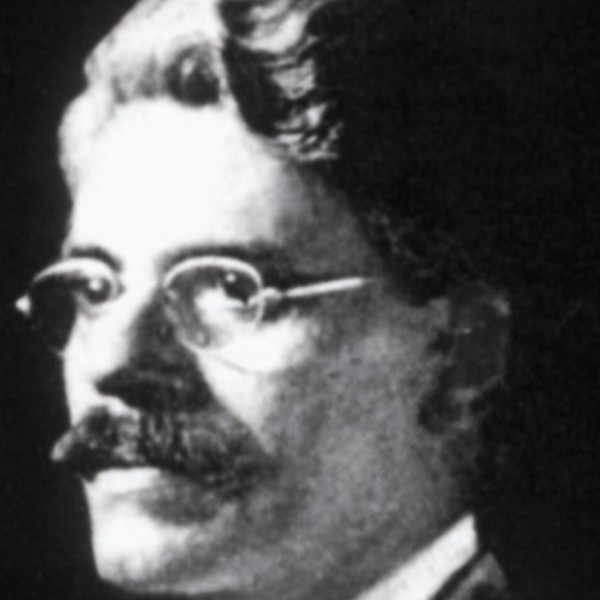
A H Müller
You would like to invest in this artist?

Contact us via email

Archibald Herman Müller was a distinguished Indian painter of the early 20th century, renowned for mastering Academic Realism and applying it to subjects rooted deeply in Indian culture and history. Born in Cochin (Kerala) to a German father and an Indian mother, Müller received his artistic training at the Madras School of Art. This dual heritage and education equipped him with a technical finesse—a Greco-Roman understanding of anatomy and form—that he skillfully employed to depict the grand narratives of the Indian subcontinent. 🎨 Archibald Herman Müller: Chronicler of Courts and Epics Archibald Herman Müller (1878–1960) was a distinguished Indian painter of the early 20th century, renowned for mastering Academic Realism and applying it to subjects rooted deeply in Indian culture and history. Born in Cochin (Kerala) to a German father and an Indian mother, Müller received his artistic training at the Madras School of Art. This dual heritage and education equipped him with a technical finesse—a Greco-Roman understanding of anatomy and form—that he skillfully employed to depict the grand narratives of the Indian subcontinent. His painting career flourished in the artistic center of Bombay, where he won the prestigious Gold Medal from the Bombay Art Society in 1911 for Princess Giving a Gift to a Brahmin Boy. Müller became a favored artist among the Indian royalty, traveling extensively through Maharashtra, Rajasthan, and Gujarat under the patronage of various Maharajas (like those of Bikaner and Jodhpur). His repertoire included formal portraits, intricate court scenes, royal hunting expeditions, and evocative landscapes. Müller's most significant contribution lies in his dramatic, large-scale illustrations of the Hindu epics, the Ramayana and the Mahabharata. Works like Shakuntala in Dushyanta's Court and Descent of Ganga followed the tradition popularized by Raja Ravi Varma, blending European oil painting techniques with rich Indian mythological themes. This style resonated with a burgeoning sense of cultural nationalism, providing visually grand representations of ancient lore. His work was critically acclaimed, finding a place in major international collections, including the Victoria and Albert Museum and Buckingham Palace, cementing his legacy as a pivotal figure in the transition of Indian art into the modern era.

Follow this artist

Credentials

Latest artworks