You would like to invest in this artist?
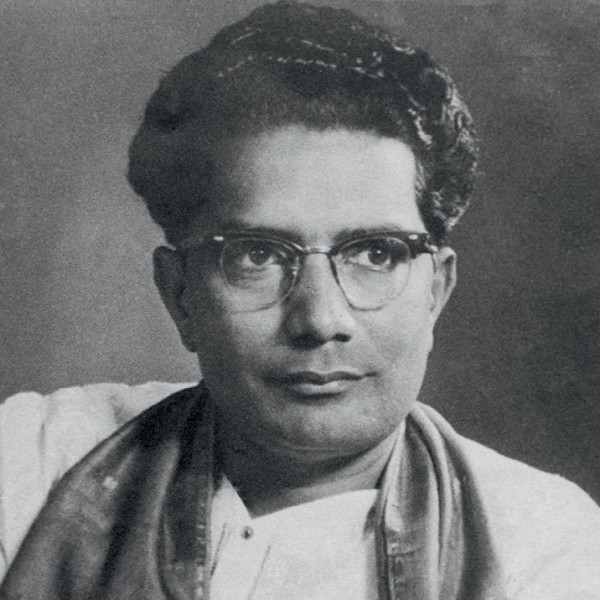
A. A. Almelkar
ABOUT
Concepts and colour of mediaeval miniatures, he evoked his own style from 1955 onwards
Painter | India
Born in 1920
You would like to invest in this artist?
Abdulrahim Appabhai Almelkar (1920–1982) remains a transformative figure in Indian Modernism, celebrated for bridging the gap between traditional aesthetics and a burgeoning contemporary sensibility. Born in Ahmedabad, his practice was deeply rooted in the rhythmic elegance of the Bombay School, yet he moved beyond academic realism to cultivate a distinctively "decorative" and rhythmic style. Almelkar is best known for his evocative depictions of rural and tribal life, capturing the dignity of fishmongers, shepherds, and forest dwellers. His technique was unique: he often applied luminous colors using his fingers or rags, finishing works with intricate, flute-like black outlines that echoed the grace of Indian miniature traditions and folk art. Eschewing heavy oils for a flatter, more graphic quality, his compositions possess a timeless, lyrical vitality. A recipient of the Gold Medal from the Bombay Art Society, Almelkar’s legacy lies in his ability to romanticize the Indian landscape while maintaining a sophisticated, modern structural integrity.
