You would like to invest in this artist?
M. V. Dhurandhar
ABOUT
Popular works include documenting the city of Bombay and its people, as well as painting scenes from Hindu mythology and Omar Khayyam series.
Painter | India
Born in 1867
Died in 1944
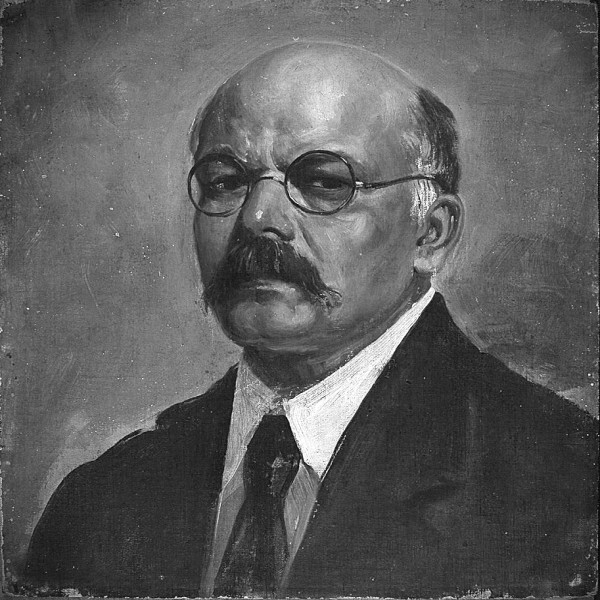
You would like to invest in this artist?
Mahadev Vishwanath Dhurandhar was a monumental figure in Indian art history, serving as a vital bridge between Victorian academic realism and indigenous Indian themes. Born in Kolhapur, he was a star pupil at the Sir J.J. School of Art in Mumbai, where he eventually became the first Indian Director. His technical prowess was so immense that he received the Gold Medal from the Bombay Art Society multiple times, a rare feat for an Indian artist during the British Raj. Dhurandhar is best known for his ability to apply the rigorous principles of Western oil painting—such as anatomical precision, linear perspective, and dramatic chiaroscuro—to the depiction of Indian mythology, history, and daily life. His canvases often featured sprawling, theatrical scenes from the Ramayana and Mahabharata, rendered with a level of realism that made the divine feel tangible. Unlike many of his contemporaries who sought a spiritual abstraction, Dhurandhar embraced the "Company School" influence, documenting the diverse castes, costumes, and social customs of Mumbai with ethnographic detail. His versatility extended beyond the easel; he was a prolific illustrator for postcards, books, and advertisements, making his visual language accessible to the masses. Despite the rising popularity of the nationalist Bengal School, Dhurandhar remained a steadfast proponent of the Bombay School’s academic tradition. A recipient of the title Rao Bahadur from the British government, his legacy lies in his role as a master educator and an artist who proved that Western techniques could be successfully localized to celebrate Indian heritage with grandiosity and precision.


