You would like to invest in this artist?
Amrita Sher-Gil
ABOUT
Hungarian-Indian painter
Painter | India
Born in 1913
Died in 1941
You would like to invest in this artist?
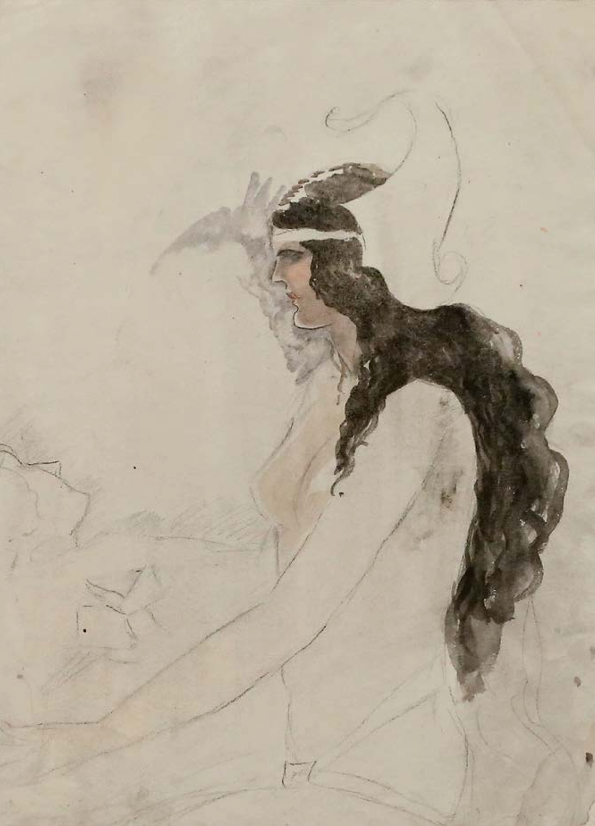
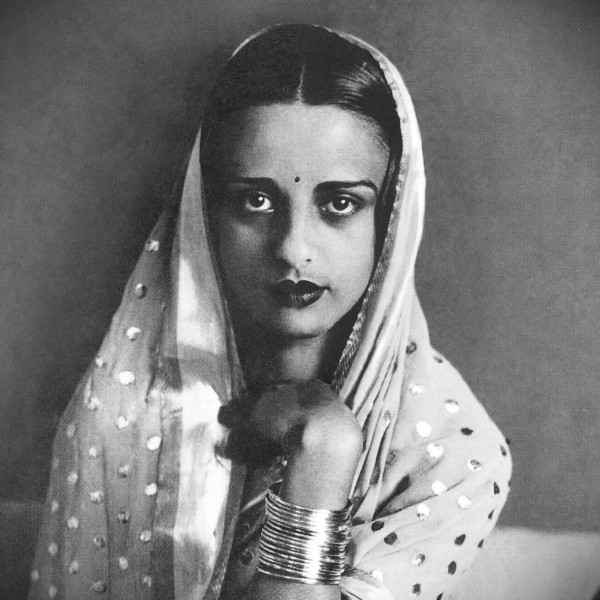
Amrita Sher-Gil was a foundational figure of Indian Modernism, often described as the "Indian Frida Kahlo" for her intense, introspective portraits and her role as a bridge between Western and Indian aesthetics. Born in Budapest to a Punjabi Sikh father and a Hungarian mother, she was formally trained at the École des Beaux-Arts in Paris. Her early works, such as "Young Girls," displayed a mastery of European oil techniques and a Post-Impressionist sensibility influenced by Paul Cézanne and Paul Gauguin. A transformative shift occurred when Sher-Gil returned to India in 1934, declaring that Europe belonged to Picasso and Matisse, but India belonged to her. Moving away from the academic realism of the West, she sought to develop an indigenous modernist language. Her travels to the Ajanta and Ellora caves and her study of Mughal and Pahari miniatures profoundly altered her style. This transition resulted in her celebrated "South Indian Trilogy," including "Bride’s Toilet" and "Brahmacharis," where she utilized a vibrant yet earthy palette to depict the dignity and silent suffering of the Indian peasantry. Sher-Gil’s work is characterized by simplified forms, bold colors, and a deep, empathetic focus on the lives of women. By stripping away the romanticized exoticism prevalent in colonial art, she introduced a raw, melancholic realism that captured the essential spirit of rural India. Though her career was tragically cut short at the age of 28, her legacy as a National Treasure artist continues to influence generations of Indian painters, defining the very trajectory of modern Indian art history.